


Quick Answer
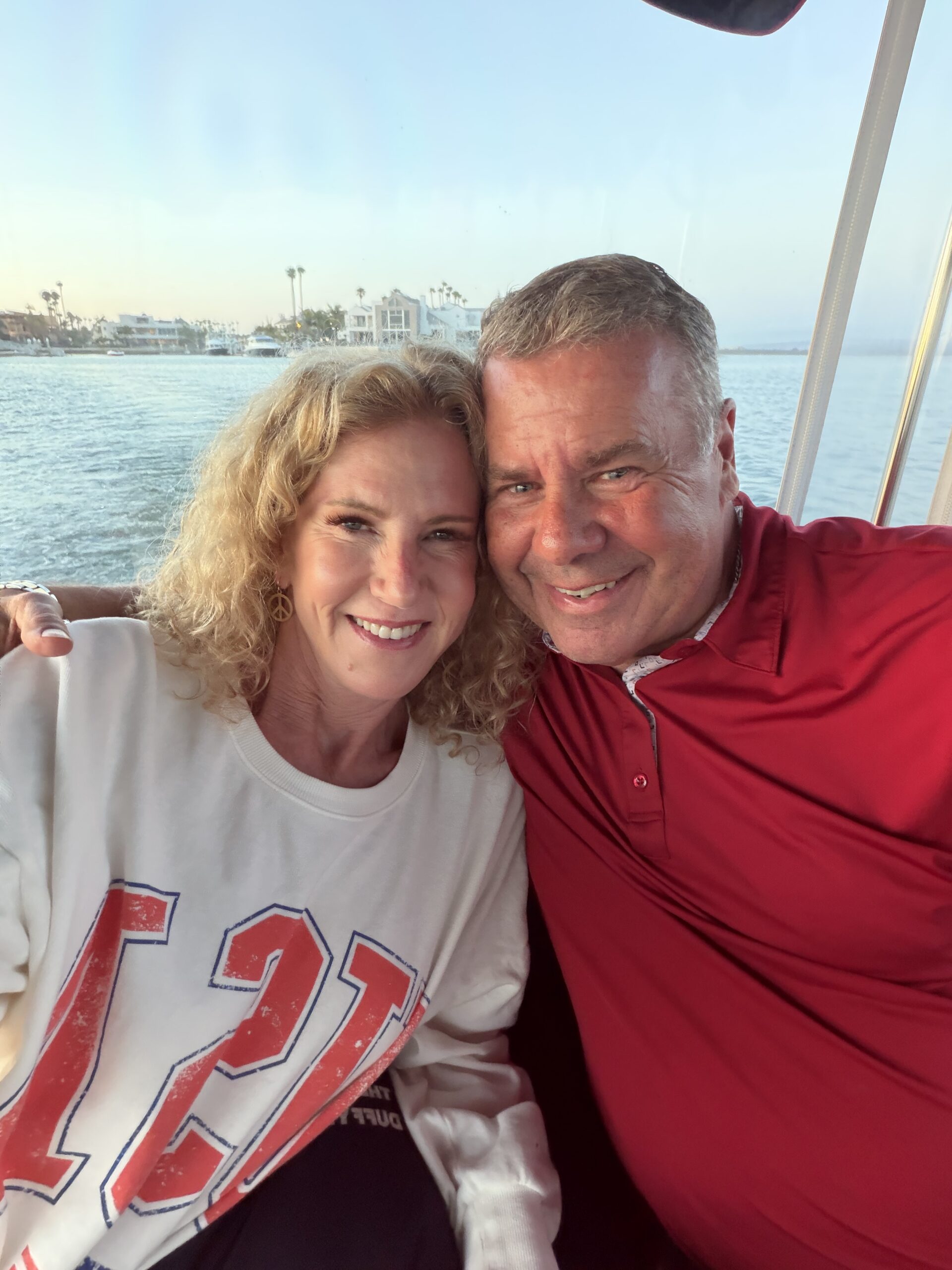
When both spouses are at fault, you heal by each spouse owning their own part without waiting for the other to go first. Then you confess, forgive, and rebuild trust together, with God at the center. Kath and I learned that healing started the day we stopped keeping score.
Nobody Gets to Be the Hero
For years I wanted a clean story. I wanted to be the one who was wronged, or at least the one who was mostly right. That story never held up.
I brought my own damage into our marriage, including infidelity. Kath brought hers too. She was hurting, she pulled away, and she kept her pain hidden. We both hurt each other, and we both kept quiet.
“Healing doesn’t start when your spouse apologizes. It starts when you stop defending yourself.”
Jesus put it plainly: “First take the plank out of your own eye, and then you will see clearly to remove the speck from your brother’s eye” (Matthew 7:5).
What Should You Do First When Both Spouses Are at Fault?
Shared damage does not mean equal damage. It also does not mean your spouse’s sin excuses yours. Own what is yours and leave the rest with God.
Here is the order that worked for us:
-
Ask God to show you your part. Not your spouse’s part. Yours.
-
Write it down in plain words, with no “but” attached.
-
Say it out loud to your spouse. Keep it short and honest.
-
Listen to the answer without defending yourself.
-
Ask, “What do you need from me?”
“A confession with a ‘but’ in it isn’t a confession. It’s a defense.”
How Do You Forgive and Rebuild Trust in Your Marriage?
Forgiveness is a decision. Trust is rebuilt over time through consistent actions. Do not confuse the two.
Paul tells us, “Be kind and compassionate to one another, forgiving each other, just as in Christ God forgave you” (Ephesians 4:32). That verse has no exception for the spouse who was hurt less. We both had to forgive.
What rebuilding trust looked like in practice:
-
Total honesty, even when it is uncomfortable
-
Keeping every small promise
-
Patience when old wounds resurface
-
Giving your spouse room to grieve at their own pace
“Forgiveness is a decision. Trust is a rebuild.”
Why Can’t You Heal Your Marriage Alone?
We could not fix this alone. We needed a pastor, mentors, and friends who would come alongside us. James says, “Confess your sins to each other and pray for each other so that you may be healed” (James 5:16).
Isolation fed our worst habits. Community broke them. Find a godly counselor or a trusted couple and let them in.
“We didn’t heal by getting better at fighting. We healed by getting honest with God, with each other, and with someone else.”
Frequently Asked Questions
Can a marriage heal when both spouses are at fault?
Yes. Kath and I both brought damage into our marriage, and healing started the day we stopped keeping score and each owned our own part.
Does shared fault mean equal fault?
No. Both spouses can be responsible without being equally responsible, and your spouse’s sin does not excuse yours.
Who should apologize first?
Don’t wait for your spouse to go first. Ask God to show you your part, then confess it plainly, with no “but” attached.
How long does it take to rebuild trust?
Forgiveness is a decision you make, but trust is rebuilt over time through consistent actions, like total honesty, keeping every small promise, and patience when old wounds resurface.
Key Takeaways
-
Both spouses can be responsible without being equally responsible.
-
Confession works best when it has no excuses attached.
-
Forgiveness is immediate. Trust takes time.
-
Healing happens in community, not isolation.
-
Our book tells the full story of how God redeemed what we broke.